Jun 9, 2026
Data has become the deciding factor between organizations that react to change and those that anticipate it. For companies investing in Digital transformation services in UAE, the real challenge is not collecting information but making it work together. When customer records, sales insights, service interactions, and marketing activities exist in separate locations, decision-making becomes slower and less reliable. A unified data strategy within Salesforce ecosystems solves this challenge by creating a connected foundation for every business function.
Salesforce is often the center of customer relationship management, but many businesses also rely on external applications, legacy systems, and industry-specific platforms. Without a clear data strategy, valuable information remains fragmented.
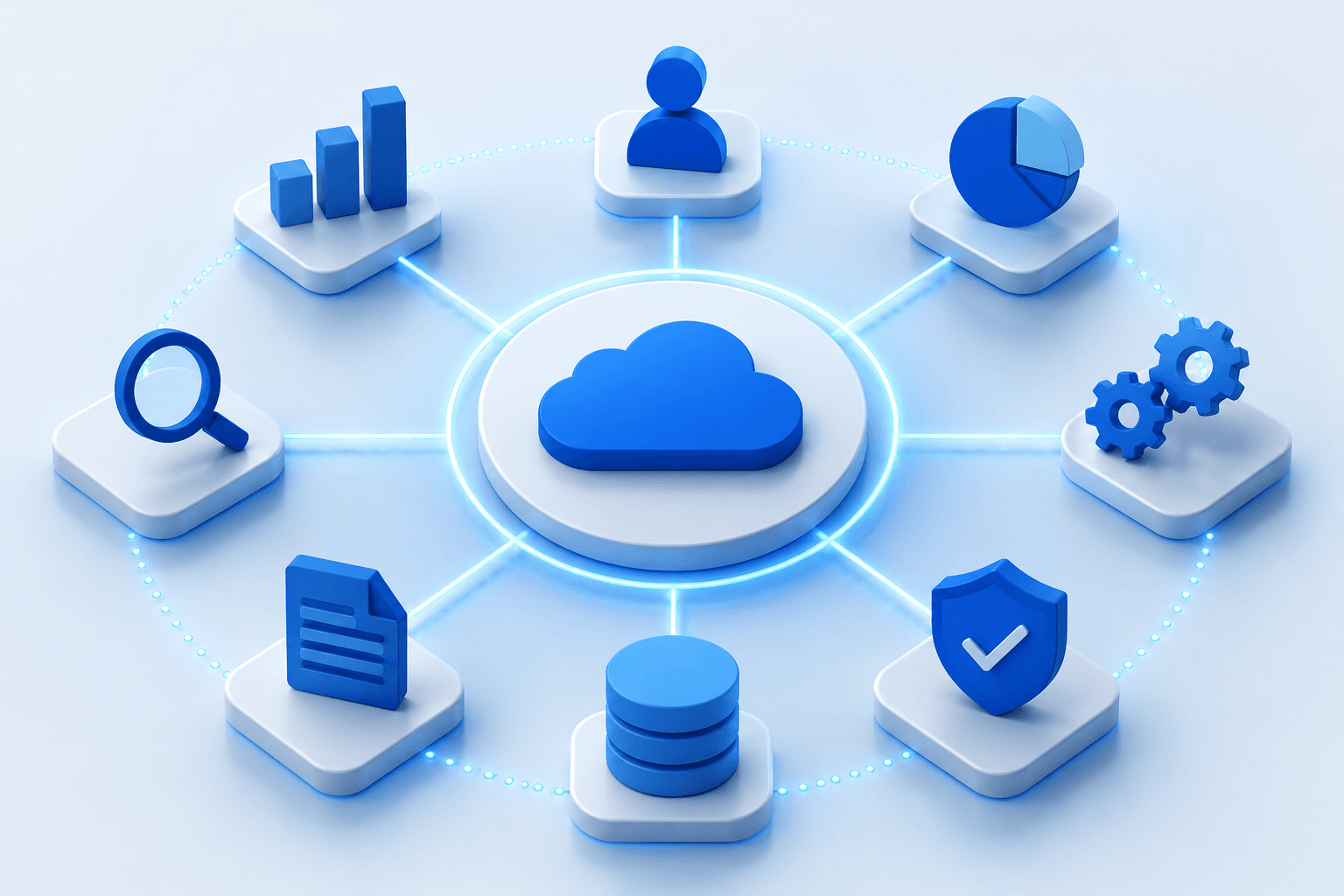
A unified data approach ensures that data from different touchpoints flows into a connected environment. Instead of multiple versions of the same customer record, teams work from a single, trusted source. This improves visibility, strengthens collaboration, and supports more accurate business decisions.
For organizations pursuing digital transformation, data consistency becomes a competitive advantage rather than an operational concern.
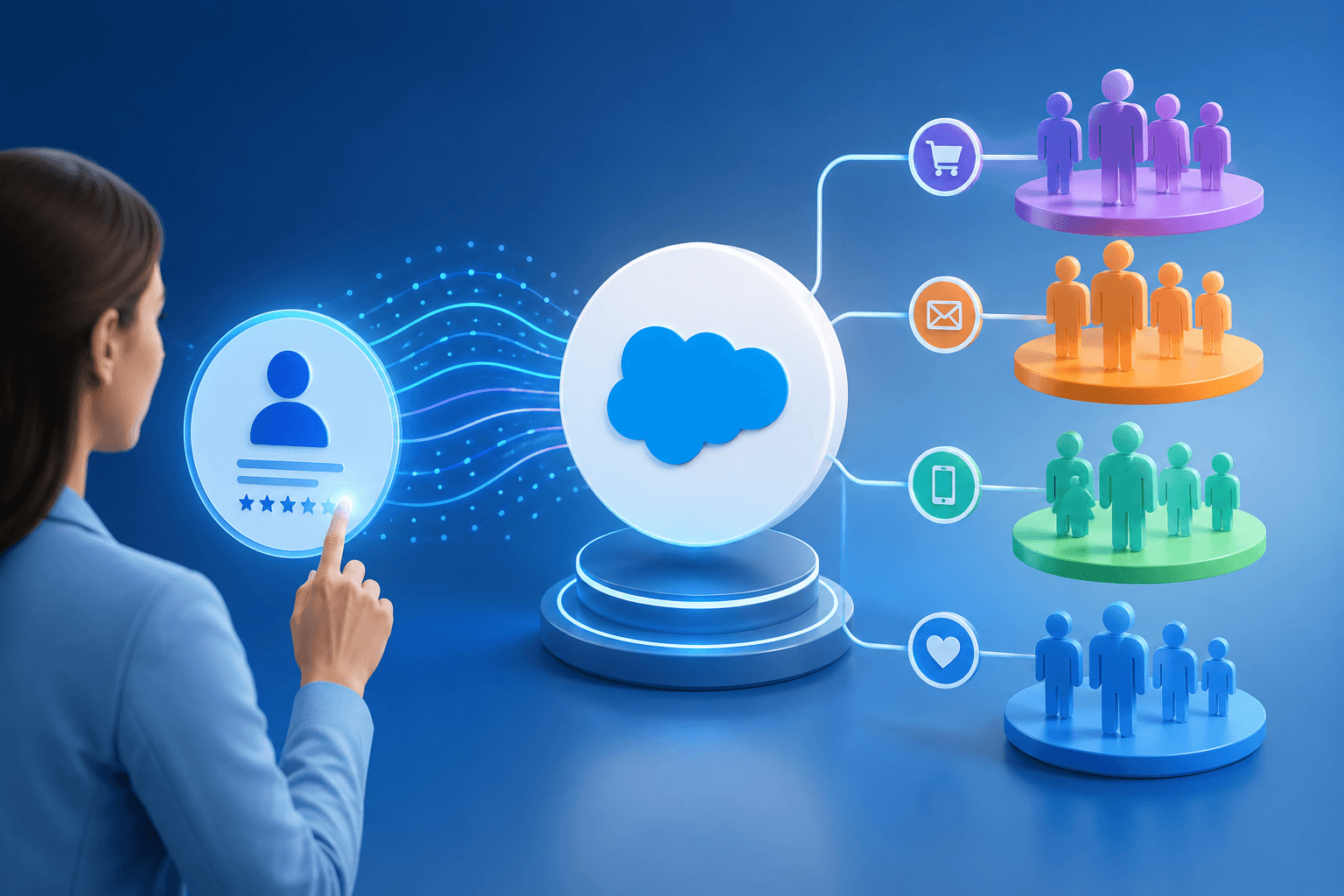
The foundation of any successful Salesforce ecosystem is a centralized customer view. Sales representatives, marketing teams, and support professionals should all access the same information.
When data duplication is reduced, businesses gain confidence in reporting and forecasting. Teams spend less time verifying records and more time engaging customers effectively.
A unified strategy extends beyond Salesforce itself. Enterprise resource planning platforms, finance systems, eCommerce tools, and customer support applications should communicate seamlessly.
Integration allows information to move naturally across departments. A customer purchase, support request, or service update becomes visible throughout the organization, creating a more connected experience.
Even advanced technology cannot compensate for poor-quality information. Regular cleansing, validation rules, and governance practices help maintain accuracy.
Reliable data strengthens automation, reporting, and artificial intelligence capabilities within Salesforce environments. The better the data quality, the greater the value organizations receive from their technology investments.
Data accessibility should never compromise protection. A well-designed strategy includes role-based access controls, monitoring processes, and compliance measures.
This balance ensures employees have the information they need while safeguarding sensitive customer and business data.
Implementing a unified data framework requires more than technical configuration. It demands strategic planning, process alignment, and long-term governance.
Working with an experienced Salesforce Partner in Dubai helps organizations design ecosystems that support both current requirements and future growth. Expert guidance ensures integrations, workflows, and data models align with broader business objectives.
This approach reduces complexity and creates a scalable foundation for innovation.
When data moves freely across Salesforce ecosystems, businesses gain a clearer understanding of customer behavior, operational performance, and emerging opportunities.
Leaders can make informed decisions faster. Customer interactions become more personalized. Service teams resolve issues with greater context. Marketing efforts become more relevant and measurable.
The result is a business environment where information drives action rather than creating obstacles.
A unified data strategy is not simply a technology initiative. It is a business capability that connects people, processes, and information into a cohesive system. As organizations continue investing in Salesforce ecosystems, success increasingly depends on how effectively data is organized, governed, and shared.
Companies that prioritize connected data foundations position themselves to respond intelligently to customer expectations, market shifts, and future opportunities. In a world where every interaction generates valuable insights, a unified Salesforce ecosystem transforms scattered information into meaningful business intelligence.
1. What is a unified data strategy in Salesforce ecosystems?
A unified data strategy connects information from Salesforce and other business systems into a consistent framework. It eliminates silos, improves data accuracy, and enables teams to access reliable information for better decision-making across departments.
2. Why is data integration important for digital transformation?
Data integration allows different platforms to share information efficiently. This creates a connected operational environment where employees can access complete customer and business insights, improving productivity, service quality, and strategic planning.
3. How does Salesforce improve customer data management?
Salesforce centralizes customer information and interactions in one platform. When integrated with other systems, it provides a comprehensive customer view, helping organizations deliver more personalized experiences and stronger customer relationships.
4. What challenges can businesses face without a unified data strategy?
Organizations often encounter duplicate records, inconsistent reporting, limited visibility, and inefficient workflows. These issues can affect customer experiences, reduce operational efficiency, and make strategic decision-making more difficult.
5. How can a Salesforce Partner help with data unification?
A Salesforce implementation partner evaluates business requirements, designs integration frameworks, establishes governance practices, and ensures data quality standards. This expertise helps organizations create scalable ecosystems that support long-term growth and performance.
Dubai, UAEDX FutureTech DMCC, 3105, Jumeirah Bay X2 Jumeirah Lakes Towers, Dubai, UAE
Bengaluru, IndiaDX FutureTech India Pvt Ltd, Novel MSR Building, Subbaiah Reddy Colony Old Airport Road Marathahalli Bengaluru Karnataka 560037
Ho Chi Minh City, VietnamDX Futuretech Vietnam Company Limited, 112/5 Nguyen Van Huong Street, An Khanh Ward, Ho Chi Minh City, Vietnam
© 2025 All Rights Reserved. DX FUTURETECH