Apr 27, 2026
Disconnected data is the silent killer of smart decisions. Many businesses invest heavily in Salesforce, yet only tap a fraction of its capability because their data lives in scattered systems. A reliable Salesforce consulting company in Dubai often begins by addressing this exact gap, because without integration, even the most powerful CRM becomes a fragmented tool.
The Hidden Cost of Data Silos
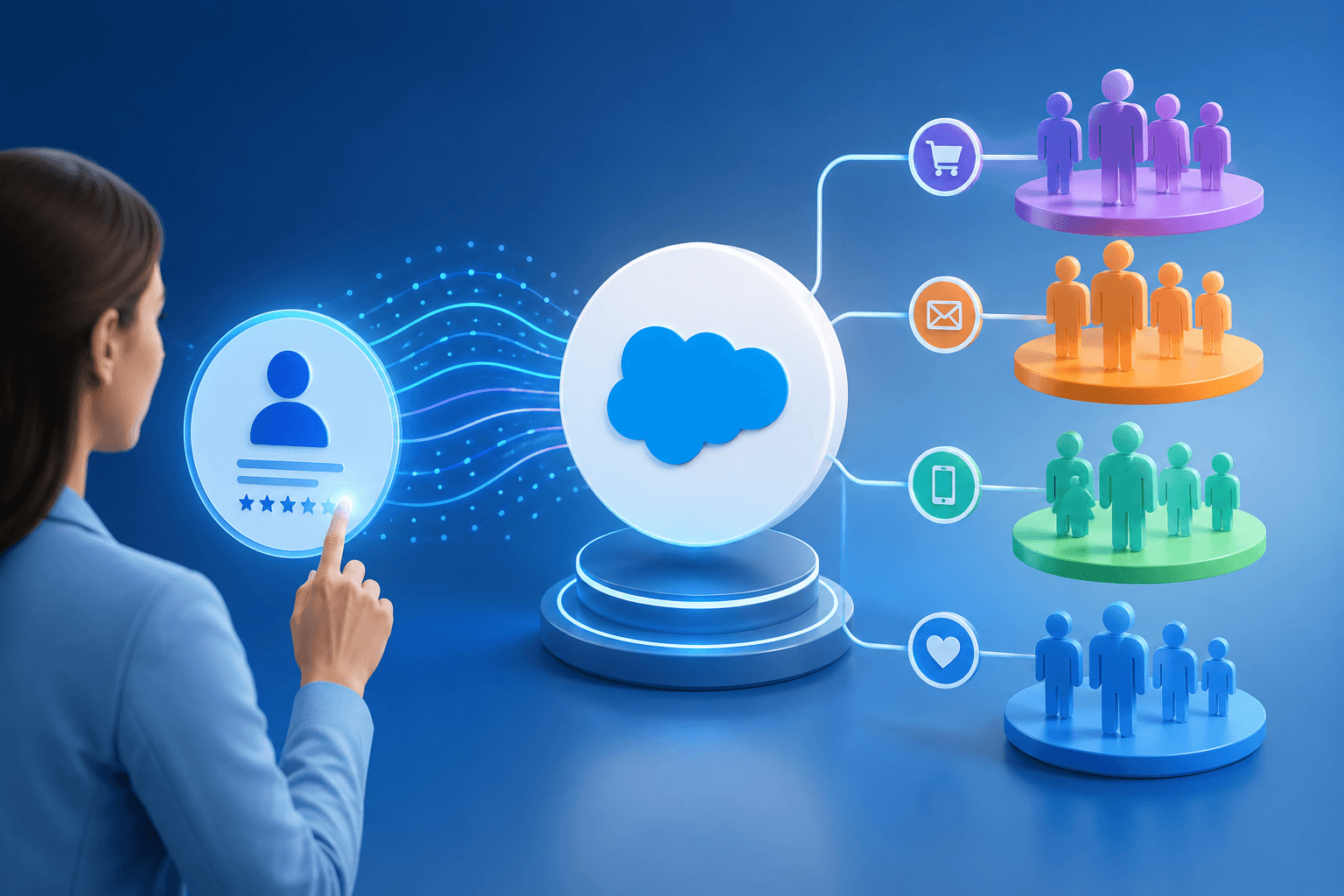
When customer data sits across marketing tools, ERP systems, and support platforms, Salesforce cannot deliver a unified view. This leads to inconsistent insights, duplicated efforts, and delayed decision-making. Sales teams operate on outdated information, while marketing campaigns miss personalization opportunities. Integration removes these blind spots by ensuring every interaction feeds into one intelligent ecosystem.
Turning Data Into Context, Not Just Information
Salesforce is not just a storage platform. Its real strength lies in how it connects data points to create meaningful context. When systems are integrated, every customer touchpoint becomes part of a larger narrative. This allows businesses to anticipate needs, refine targeting, and improve engagement quality.
For companies investing in Salesforce AI integration solutions in UAE, this becomes even more crucial. Artificial intelligence depends on clean, connected, and real-time data. Without integration, AI outputs are limited or inaccurate, reducing the impact of predictive analytics and automation.
Driving Smarter Automation
Automation in Salesforce works best when it has full visibility. Integrated data enables workflows that respond instantly to customer behavior. For example, a lead visiting a pricing page can trigger a follow-up action from the sales team. Without integration, such opportunities are missed or delayed.
This level of responsiveness is essential for businesses aiming for meaningful business transformation in Dubai. Integration ensures that automation is not reactive but intelligent and timely.
Enhancing Customer Experience Across Touchpoints
Modern customers expect consistency. Whether they interact via email, website, or support channels, they want a seamless experience. Integration ensures that every department sees the same customer profile, eliminating repetitive conversations and improving trust.
When Salesforce acts as a central hub, businesses can deliver personalized experiences at scale. This consistency often becomes a key differentiator in competitive markets.
Scaling Without Complexity
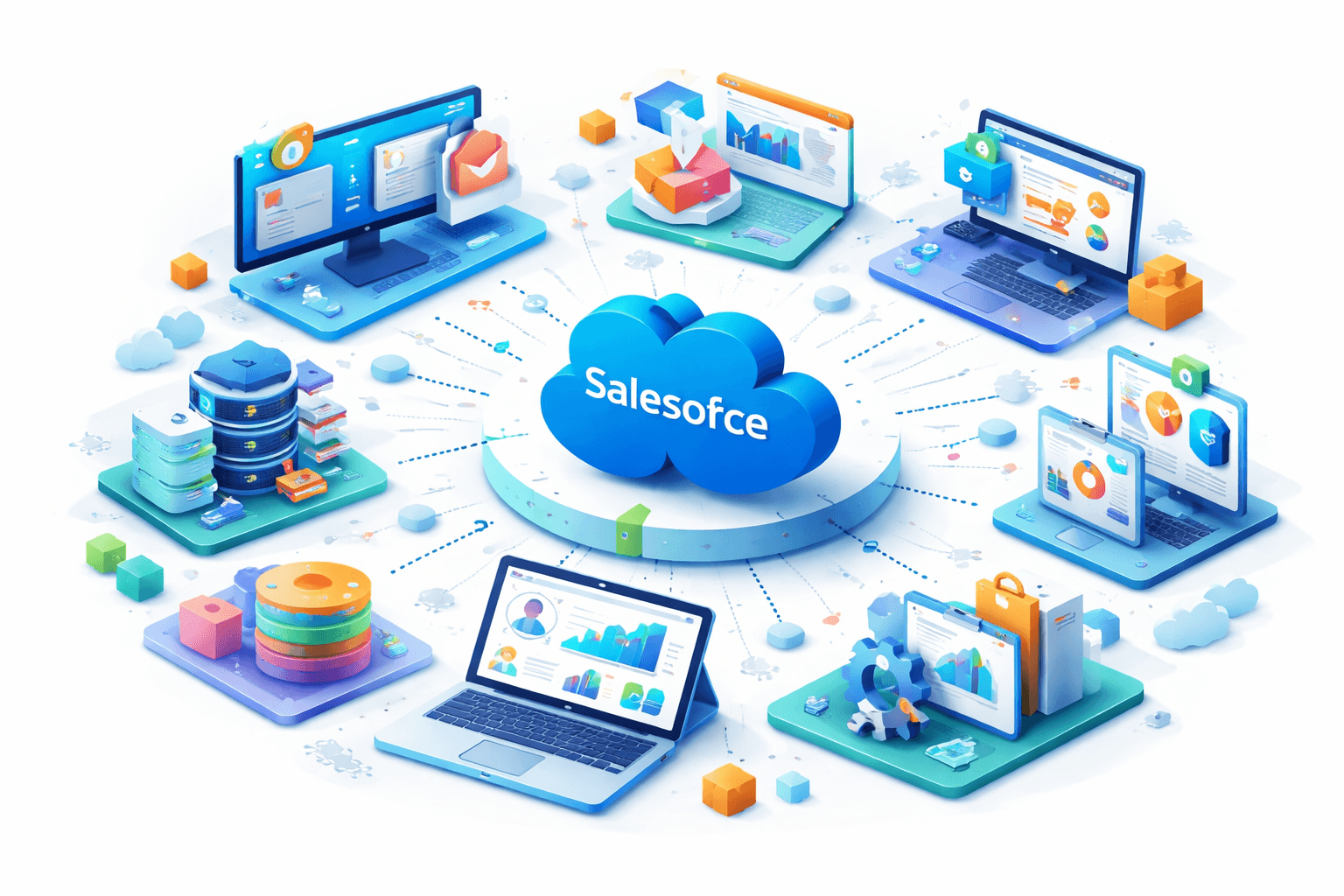
As businesses grow, systems multiply. Without integration, complexity increases exponentially. Data integration simplifies this by creating a structured flow between systems, allowing Salesforce to act as the control center.
This not only improves operational efficiency but also prepares the organization for future expansion without rebuilding its digital foundation.
A Smarter Way Forward
Salesforce alone is powerful, but integration is what unlocks its intelligence. It transforms scattered data into a cohesive strategy, enabling better decisions, stronger customer relationships, and sustainable growth. Businesses that prioritize integration do not just use Salesforce. They truly leverage it.
Frequently Asked Questions
1. Why is data integration important for Salesforce success?
Data integration ensures that all business systems communicate with Salesforce, creating a unified data environment. This improves accuracy, enhances decision-making, and allows teams to work with real-time, complete customer insights.
2. How does integration improve customer experience?
Integrated systems provide a single view of the customer, allowing consistent communication across departments. This eliminates repetitive interactions and enables personalized engagement, which builds trust and improves overall satisfaction.
3. Can Salesforce AI work without proper data integration?
Salesforce AI relies heavily on clean and connected data. Without integration, AI models lack context and accuracy, resulting in weaker predictions and limited automation capabilities.
4. What challenges do businesses face without integration?
Common issues include data duplication, inconsistent reporting, delayed workflows, and poor collaboration between teams. These challenges reduce efficiency and limit the overall value of Salesforce.
5. Is data integration a one-time process?
No, it is an ongoing effort. As businesses adopt new tools and expand operations, integration must evolve to maintain data consistency, system compatibility, and optimal Salesforce performance.

Dubai, UAEDX FutureTech DMCC, 3105, Jumeirah Bay X2 Jumeirah Lakes Towers, Dubai, UAE
Bengaluru, IndiaDX FutureTech India Pvt Ltd, Novel MSR Building, Subbaiah Reddy Colony Old Airport Road Marathahalli Bengaluru Karnataka 560037
Ho Chi Minh City, VietnamDX Futuretech Vietnam Company Limited, 112/5 Nguyen Van Huong Street, An Khanh Ward, Ho Chi Minh City, Vietnam
© 2025 All Rights Reserved. DX FUTURETECH